
Calorie Intake Calculator
Accurately determine your daily calorie needs, optimal macronutrient breakdown, and personalized nutrition targets. The ultimate free calorie intake calculator for health and fitness.
The Comprehensive Guide to the Calorie Intake Calculator: Mastering Daily Energy Needs, Macronutrient Optimization, and Nutritional Science
In the intricate landscape of personal health, preventive medicine, and long-term wellness optimization, understanding the precise mechanics of your daily energy requirements is paramount to achieving sustainable vitality and effective body composition management. A calorie intake calculator serves as an indispensable digital utility designed to instantly compute your Total Daily Energy Expenditure (TDEE), determine your personalized caloric targets, and provide strategic macronutrient recommendations for weight loss, maintenance, or muscle gain. Whether you are a fitness enthusiast tracking your daily intake, a healthcare professional counseling patients on metabolic health, an individual embarking on a structured body recomposition journey, or a curious learner seeking to understand fundamental human energetics, utilizing a reliable calorie intake calculator guarantees mathematical precision and strategic foresight. This exhaustive, comprehensive guide will explore the mechanical, physiological, behavioral, and strategic dimensions of calorie intake calculations, establishing why this tool is a cornerstone of modern nutritional literacy and proactive metabolic management.
What is a Calorie Intake Calculator and Why is it Essential?
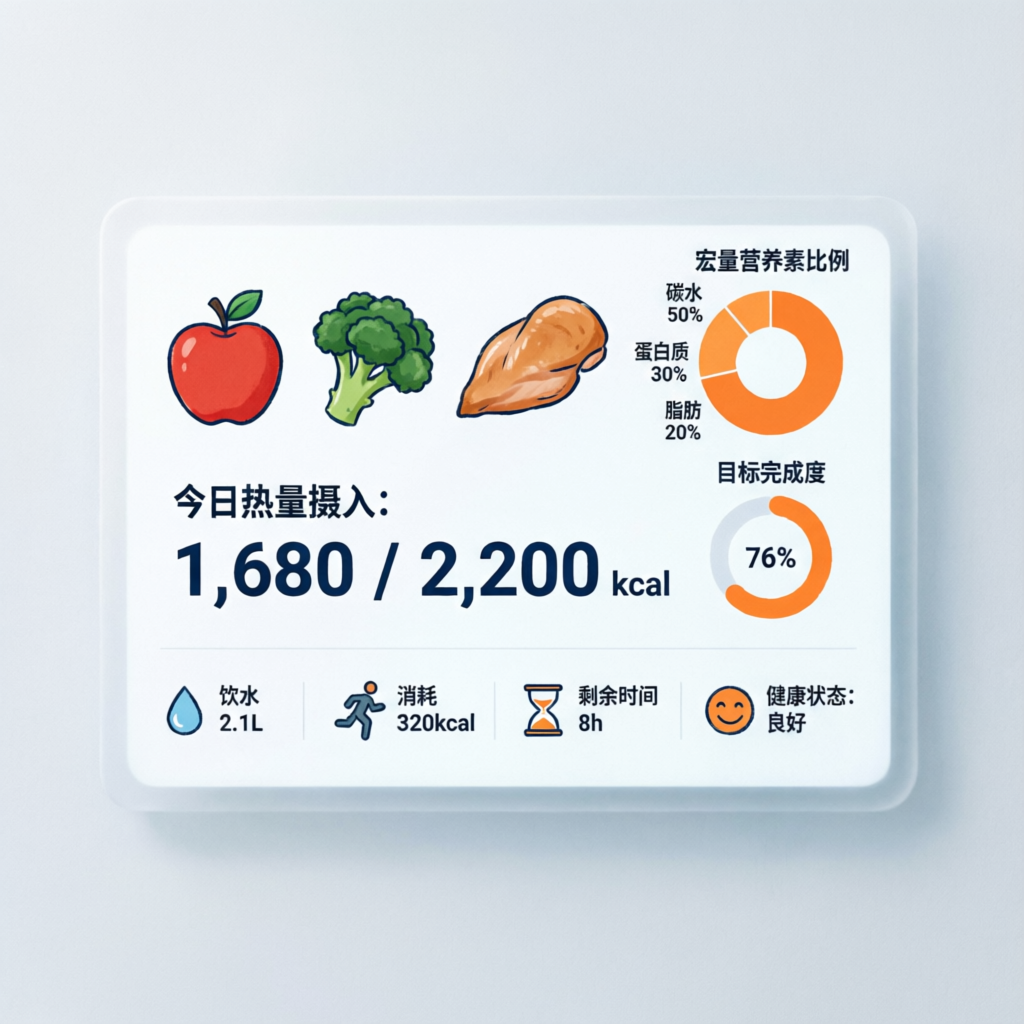
A calorie intake calculator, frequently referred to as a daily calorie needs calculator, macro calculator, or nutrition planner, is a specialized software application that automates the algebraic process of determining the optimal number of calories and macronutrients you should consume daily to achieve a specific health or fitness goal. Unlike relying on generic, one-size-fits-all dietary guidelines (like the outdated “eat 2,000 calories a day” rule printed on nutrition labels) or simplistic online quizzes that fail to account for individual anthropometric data and lifestyle factors, a dynamic calorie intake calculator allows users to input their exact age, biological sex, weight, height, and activity level, instantly deriving a highly personalized nutritional baseline.
Historically, individuals relied on subjective feelings of hunger, generic dietary guidelines, or trial-and-error dieting to manage their weight and health. The proliferation of digital health technologies, the rising global prevalence of metabolic syndrome and obesity, and the increasing emphasis on evidence-based nutrition rendered these anecdotal methods dangerously inadequate. Today, an online calorie intake calculator provides instantaneous, precise results accessible from any device, eliminating guesswork and ensuring that individuals operate with complete metabolic transparency. By understanding exactly how many calories your body needs to function, move, and recover, you can make informed, data-driven decisions regarding dietary adjustments, meal planning, and proactive health interventions.
The Thermodynamics of Human Energy Balance
To fully leverage a calorie intake calculator, it is essential to understand the underlying physiological principles that govern human energy balance. The concept is rooted in the First Law of Thermodynamics, which states that energy cannot be created or destroyed, only transformed. In the context of human physiology, this is often simplified as “Calories In, Calories Out” (CICO). While the quality of the calories you consume profoundly impacts your health, hunger, hormonal balance, and body composition, the quantity of calories ultimately dictates the direction of your weight change.
Your daily energy expenditure is not a single monolithic number; it is the sum of three distinct metabolic processes, each contributing a different percentage to your total caloric burn. Understanding these components is crucial for interpreting the results of your calorie intake calculator and making strategic adjustments to your diet.
1. Basal Metabolic Rate (BMR) – 60-75% of TDEE
BMR represents the energy required to maintain homeostasis—the stable internal environment necessary for survival. Even when you are lying completely still in a thermoneutral environment, your body is engaged in a massive, continuous biochemical orchestra. The brain, liver, heart, kidneys, and other vital organs consume the vast majority of these calories to maintain cellular integrity, synthesize proteins, pump blood, and filter waste. BMR is primarily determined by your lean body mass, age, biological sex, and genetic factors.
2. Thermic Effect of Food (TEF) – 10% of TDEE
TEF represents the energy required to digest, absorb, transport, and store the nutrients you consume. Different macronutrients have vastly different thermic effects. Protein has the highest TEF, requiring 20-30% of its caloric content just to be processed. Carbohydrates require 5-10%, while dietary fats require only 0-3%. This is one reason why high-protein diets are so effective for weight management—they naturally increase your daily energy expenditure.
3. Physical Activity Energy Expenditure (PAEE) – 15-30% of TDEE
PAEE encompasses all calories burned through movement. This is further divided into Exercise Activity Thermogenesis (EAT)—calories burned during structured workouts like running, lifting, or cycling—and Non-Exercise Activity Thermogenesis (NEAT)—calories burned through spontaneous daily movements like fidgeting, walking to the car, cleaning, or standing. NEAT is highly variable between individuals and represents the most modifiable component of your TDEE.
The Mathematics Behind Calorie Intake Calculations
The logic driving a calorie intake calculator is rooted in decades of clinical research and statistical regression analysis. The calculation follows a rigorous, multi-step process to ensure your nutritional plan is both effective and physiologically safe.
Step 1: The Mifflin-St Jeor Equation (The Gold Standard)
Developed in 1990 by Mark Mifflin and Sachiko St Jeor, this equation is currently considered the most accurate predictor of BMR for healthy individuals, as validated by the American Dietetic Association. It accounts for modern shifts in body composition and lifestyle:
For Men: BMR = (10 × weight in kg) + (6.25 × height in cm) – (5 × age in years) + 5
For Women: BMR = (10 × weight in kg) + (6.25 × height in cm) – (5 × age in years) – 161
Step 2: The Physical Activity Level (PAL) Multiplier
Once BMR is established, it is multiplied by a PAL coefficient that represents your typical daily activity level. This yields your Total Daily Energy Expenditure (TDEE), the number of calories you burn in a typical 24-hour period. This is your “maintenance” calorie level—the exact amount of food energy required to keep your body weight perfectly stable.
Step 3: Goal-Specific Adjustments
Finally, the calculator applies a strategic adjustment to your TDEE based on your selected goal. For weight loss, a moderate deficit of 300-500 calories is applied. For muscle gain, a lean surplus of 200-300 calories is added. For maintenance, no adjustment is made. Our calorie intake calculator automates this precise arithmetic, ensuring your target is perfectly aligned with your objectives.
How to Use This Free Calorie Intake Calculator
Our online calorie intake calculator is engineered for maximum usability, speed, and accuracy. Follow these simple steps to generate your personalized nutrition plan:
1️⃣ Select Your Biological Sex: Choose male or female, as hormonal and compositional differences significantly impact baseline metabolic rates.
2️ Enter Your Age: Input your current age in years, as metabolic rate naturally declines with age due to sarcopenia (muscle loss) and hormonal shifts.
3️ Choose Your Measurement System: Select Metric (Kilograms & Centimeters) or Imperial (Pounds & Feet/Inches) based on your preference.
4️⃣ Input Your Weight and Height: Enter your current, accurate measurements. For the most accurate results, weigh yourself in the morning after using the restroom and before eating.
5️ Select Your Activity Level: Honestly assess your typical weekly physical activity. This multiplier is crucial for converting your baseline BMR into your TDEE. Be conservative; most people overestimate their activity level.
6️ Choose Your Primary Goal: Select whether you want to lose weight, maintain your current weight, or gain muscle. The calculator will automatically adjust your caloric target and macronutrient ratios accordingly.
7️⃣ Click “Calculate Daily Intake”: Instantly view your BMR, TDEE, target daily calories, recommended macronutrient breakdown, and a visual distribution chart.
Understanding Macronutrients: The Building Blocks of Nutrition
While total caloric intake dictates whether you lose or gain weight, macronutrient composition dictates what you lose or gain (fat vs. muscle) and how you feel during the process. Our calorie intake calculator provides optimized macronutrient recommendations based on your specific goal, ensuring you not only hit your calorie target but also support your body’s physiological needs.
1. Protein: The Muscle-Sparing Nutrient
Protein is the most critical macronutrient for body composition. It has the highest Thermic Effect of Food (TEF), meaning your body burns 20-30% of the calories in protein just to digest it. More importantly, adequate protein intake stimulates Muscle Protein Synthesis (MPS), signaling to your body to preserve or build lean tissue. Our calculator recommends a high protein intake (typically 0.8-1.0 grams per pound of body weight) to maximize satiety and muscle retention, especially during a caloric deficit.
2. Dietary Fats: Hormonal Health and Cellular Integrity
Fats are often unfairly demonized in weight loss circles, but they are essential for the production of steroid hormones (including testosterone and estrogen), the absorption of fat-soluble vitamins (A, D, E, K), and cellular membrane integrity. Dropping fat intake too low can lead to hormonal crashes, hair loss, and dry skin. Our calculator ensures a baseline fat intake of at least 0.3-0.4 grams per pound of body weight to support optimal endocrine function.
3. Carbohydrates: Energy, Performance, and Brain Function
Carbohydrates are the body’s preferred energy source, particularly for high-intensity exercise and central nervous system function. Once your protein and fat needs are met, the remaining calories in your daily budget are allocated to carbohydrates. This ensures you have the glycogen stores necessary to maintain workout performance, cognitive focus, and overall vitality.
Real-World Examples of Calorie Intake Calculations
To illustrate the practical application of a calorie intake calculator, consider the following industry-specific scenarios representing different fitness archetypes:
A 35-year-old male, 5’10” (178 cm), weighing 200 lbs (90.7 kg), works a sedentary desk job and exercises lightly twice a week. He selects “Lightly Active” (1.375) and a “Lose Weight” goal.
Calculation: BMR ≈ 1,850 kcal. TDEE = 1,850 × 1.375 ≈ 2,544 kcal. Target Calories (500 deficit) ≈ 2,044 kcal/day. Recommended Macros: 180g Protein, 200g Carbs, 65g Fat. This precise target allows him to lose approximately 1 lb per week sustainably while preserving muscle mass.
A 24-year-old female, 5’6″ (168 cm), weighing 135 lbs (61.2 kg), trains intensely 5 days a week. She selects “Very Active” (1.725) and a “Gain Muscle” goal.
Calculation: BMR ≈ 1,400 kcal. TDEE = 1,400 × 1.725 ≈ 2,415 kcal. Target Calories (250 surplus) ≈ 2,665 kcal/day. Recommended Macros: 140g Protein, 330g Carbs, 85g Fat. This surplus fuels her intense training and supports muscle protein synthesis without excessive fat gain.
A 62-year-old male, 5’9″ (175 cm), weighing 170 lbs (77.1 kg), walks daily and does light yoga. He selects “Lightly Active” (1.375) and a “Maintain Weight” goal.
Calculation: BMR ≈ 1,600 kcal. TDEE = 1,600 × 1.375 ≈ 2,200 kcal. Target Calories ≈ 2,200 kcal/day. Recommended Macros: 130g Protein, 250g Carbs, 70g Fat. This maintenance target preserves his current healthy body composition and supports his active lifestyle.
Factors That Influence Your Daily Calorie Needs
Your daily calorie needs are not a static number; they are a dynamic metric influenced by a complex interplay of genetic, physiological, and environmental factors:
- Body Composition: Lean muscle mass is metabolically active tissue, burning more calories at rest than adipose tissue. Increasing muscle mass through resistance training sustainably elevates your BMR and, consequently, your TDEE.
- Age: Calorie needs typically peak during late adolescence and gradually decline by about 1-2% per decade after age 30, primarily due to sarcopenia and hormonal changes.
- NEAT Variability: Non-Exercise Activity Thermogenesis varies wildly between individuals. Two people with the same BMR and exercise routine can have TDEEs differing by 500+ calories simply due to differences in fidgeting, posture, and daily movement habits.
- Metabolic Adaptation: Prolonged caloric deficits can cause the body to downregulate energy expenditure, lowering TDEE below predicted levels. This is a survival mechanism, not a metabolic “damage,” and is reversible with strategic diet breaks.
- Environmental Temperature: Extreme cold or heat forces the body to expend additional energy to maintain its core temperature, temporarily elevating TDEE through thermogenesis.
- Sleep and Stress: Chronic sleep deprivation and elevated cortisol levels disrupt metabolic hormones (ghrelin, leptin, insulin), often leading to increased appetite and decreased energy expenditure, effectively altering your functional calorie needs.
Strategies to Optimize Your Calorie Intake
Knowing your calorie target is only half the battle; consistently hitting it requires behavioral strategy. Implement these evidence-based tactics to optimize your nutrition without feeling deprived:
- Prioritize Volume Eating: Fill your plate with low-calorie, high-volume foods like leafy greens, cruciferous vegetables, and broth-based soups. These foods physically stretch the stomach, triggering stretch receptors that signal satiety to the brain for minimal caloric cost.
- Track Intake Diligently: Studies consistently show that individuals who track their food intake achieve significantly better results than those who do not. Use a digital food scale and a tracking app to eliminate the “eyeballing” error, which can easily add 300-500 hidden calories to your day.
- Maximize NEAT: Non-Exercise Activity Thermogenesis (NEAT) is the calories burned through daily movement. Increasing your daily step count to 8,000-10,000 steps is one of the most painless ways to widen your calorie deficit or support a surplus without increasing formal exercise or hunger.
- Optimize Sleep: Sleep deprivation severely impairs weight management. A single night of poor sleep increases ghrelin (hunger hormone), decreases leptin (satiety hormone), and reduces insulin sensitivity, making you crave high-calorie, palatable foods. Prioritize 7-9 hours of quality sleep nightly.
- Implement the 80/20 Rule: Dedicate 80% of your calories to nutrient-dense, whole foods, and reserve 20% for flexible, enjoyable foods. This psychological flexibility prevents the “forbidden fruit” effect that often leads to binge-eating episodes on highly restrictive diets.
Common Mistakes When Calculating Calorie Intake
Even well-intentioned individuals make critical errors when managing their energy balance. A dedicated online calorie intake calculator mitigates these common pitfalls:
- Overestimating Exercise Burn: Fitness trackers and cardio machines notoriously overestimate calories burned by 20-50%. Do not “eat back” the calories your device claims you burned. Stick to the intake calculated based on your baseline TDEE.
- Underestimating Liquid Calories: Juices, sodas, alcoholic beverages, and even seemingly healthy smoothies can contain hundreds of calories that do not trigger satiety. Track all liquid calories meticulously.
- Ignoring the Weekend: A perfect 500-calorie deficit Monday through Friday (2,500 kcal total deficit) can be completely erased by a 3,000-calorie surplus on Saturday and Sunday, resulting in zero net weekly progress.
- Confusing Weight Loss with Fat Loss: The scale measures everything: fat, muscle, water, glycogen, and digestive contents. A sudden spike in scale weight is often just water retention from high sodium intake or a high-carb meal, not fat gain. Focus on weekly averages and trend lines, not daily fluctuations.
- Setting Unrealistic Timelines: Expecting to lose 10 pounds in two weeks requires a dangerous, unsustainable deficit. Trust the calculator’s moderate projections; slow, steady progress is the only type of progress that is permanent.
Integrating Health Tools with Other Business Utilities
Optimizing your health, wellness, and operational workflow often requires a suite of specialized tools. For instance, when preparing promotional materials for your health and wellness clinic or a major metabolic health awareness campaign, you might need to optimize visual assets to ensure your landing pages load quickly; utilizing a reliable image converter can compress files without sacrificing quality, directly supporting your client acquisition goals and user experience. Similarly, just as a snow day calculator helps schools and businesses anticipate and plan for weather-related operational disruptions and their impact on physical activity levels or clinic foot traffic, a calorie intake calculator allows you to proactively model metabolic needs and nutritional goals across different demographic profiles. For niche markets, specialized tools are equally important; a pet calculator hub assists veterinary clinics and pet care businesses in estimating animal nutrition needs and ideal pet weight ranges, much like how our tool estimates human metabolic metrics with precision. Finally, to build a comprehensive wellness strategy, combining this calorie intake calculator with broader smart life calculators can provide a holistic, 360-degree view of your personal or business health initiatives, ensuring every metric, goal, and wellness intervention is meticulously accounted for. For authoritative guidance on metabolic health and nutritional standards, you can also refer to the World Health Organization (WHO) resources.
Frequently Asked Questions (FAQs)
Conclusion
A calorie intake calculator is far more than a simple arithmetic tool; it is a fundamental instrument for metabolic empowerment, evidence-based nutrition, and proactive body composition management. For individuals, it guarantees clarity, piercing through the noise of fad diets and subjective guesswork to reveal an objective, personalized roadmap for sustainable health. For healthcare professionals and fitness coaches, it is a critical component of client assessment, program design, and longitudinal health tracking. By understanding the thermodynamics, physiological safeguards, and strategic applications of calorie intake calculations, you can make informed, resilient decisions that protect your metabolic health, preserve lean muscle mass, and steadily build a foundation for a vibrant, healthy life. Bookmark this page to ensure you always have a reliable, accurate, and free nutrition planner at your fingertips, empowering you to take control of your dietary journey with confidence, precision, and scientific clarity.
Image Converters • Snow Day Calculators • Pet Calculator Hub • Smart Life Calculators
© 2026 Calculator Tools — Estimates are for educational and informational purposes only. This tool does not constitute medical or dietary advice. Always consult a qualified healthcare provider or registered dietitian before beginning any nutrition program.